
Global transit
Strategic approaches to modern aviation and global hospitality

Efficient travel planning
Legal protections for international travelers and claimants
Flight disruptions trigger specific protocols defined by international treaties. Understanding the Montreal Convention allows passengers to seek fair reimbursement when delays exceed three hours or luggage vanishes.
Carriers adhere to rigid standards regarding passenger care during extended tarmac delays. When a flight is grounded due to technical faults rather than weather, the airline is often liable to provide financial compensation alongside meals. Keeping a detailed log of arrival times and communication with ground staff strengthens any subsequent claim. Knowledge of these statutes transforms a stranded passenger into an informed claimant capable of enforcing their rights effectively.
Regulatory frameworks provide a safety net, yet proactive planning remains the traveler’s best defense against disruption.
Urban exploration
Selecting environments for cultural and physical immersion

Historic capital centers
Cobblestone streets in ancient districts often restrict vehicle access, making walking the primary mode of discovery.

Modern coastal metropolises
Skyscrapers bordering the ocean create a unique microclimate where urban density meets distinct maritime humidity levels.

Remote alpine villages
High-altitude settlements require specific acclimatization schedules to fully enjoy the hiking trails and panoramic mountain vistas.
Fleet diversity
Evaluating service tiers and carrier fleet models
The distinction between legacy carriers and low-cost operators shapes the journey. Full-service airlines utilize wide-body aircraft for long-haul routes, offering seatback entertainment and dining. Conversely, budget airlines maximize efficiency with single-aisle jets and unbundled fares, charging separately for checked bags. Identifying the aircraft type and cabin configuration helps travelers anticipate comfort levels.
Lodging strategies
Securing optimal lodging and hospitality for travelers
Choosing the right accommodation involves balancing proximity to points of interest with budget constraints. Business travelers often prioritize hotels near convention centers for efficiency, while leisure tourists might prefer scenic boutique properties that offer a deeper connection to the local environment.
Extended stay suites
Serviced apartment benefits
Kitchen facilities and separate living areas provide a sense of home, significantly reducing costs for longer durations.
Short term rentals
Local homestay experiences
Staying with local hosts offers unique insights into neighborhood culture and access to authentic culinary recommendations.
Luxury hotel tiers
Concierge and amenities
High-end establishments provide personalized services, including private transfers and exclusive access to spa facilities for relaxation.

Airport logistics
Managing transit through major international hubs
Connecting flights require precise timing and knowledge of terminal layouts. Travelers must account for security re-screening and customs clearance when transiting through different countries. Utilizing airport maps and flight tracking apps ensures a seamless transfer between gates, minimizing the risk of missing a tight connection.
Secure packing methods
Mastering luggage regulations and transport rules
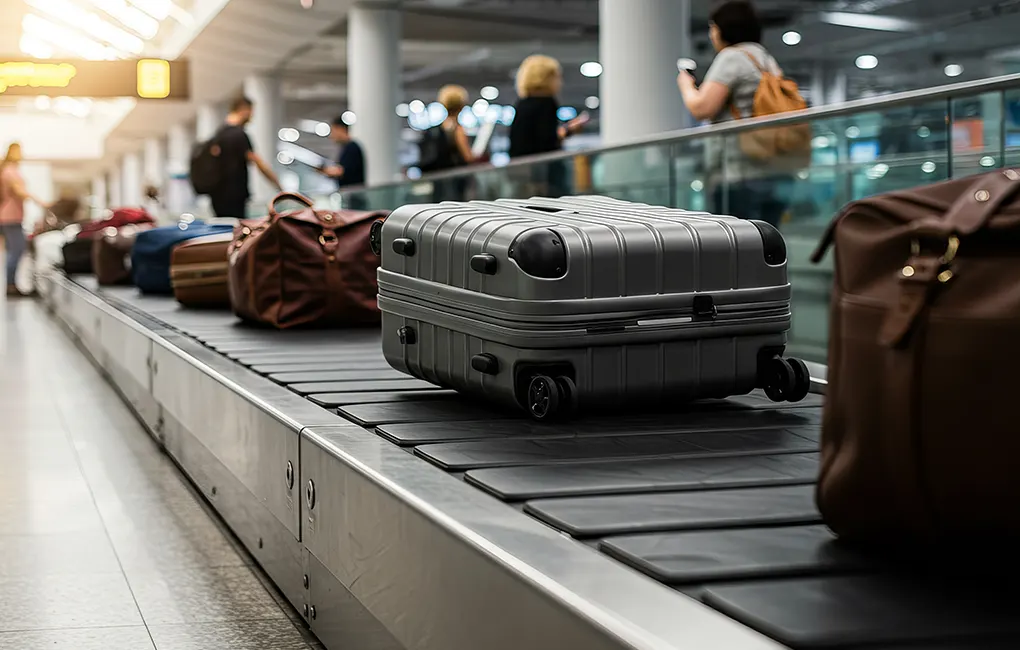
Airlines enforce strict dimension and weight limits for both checked bags and carry-on items. Exceeding these allowances often results in substantial fees at the check-in counter. Protecting fragile equipment with hard-shell cases and using TSA-approved locks ensures that personal belongings arrive intact at the final destination.
Final Travel Prep